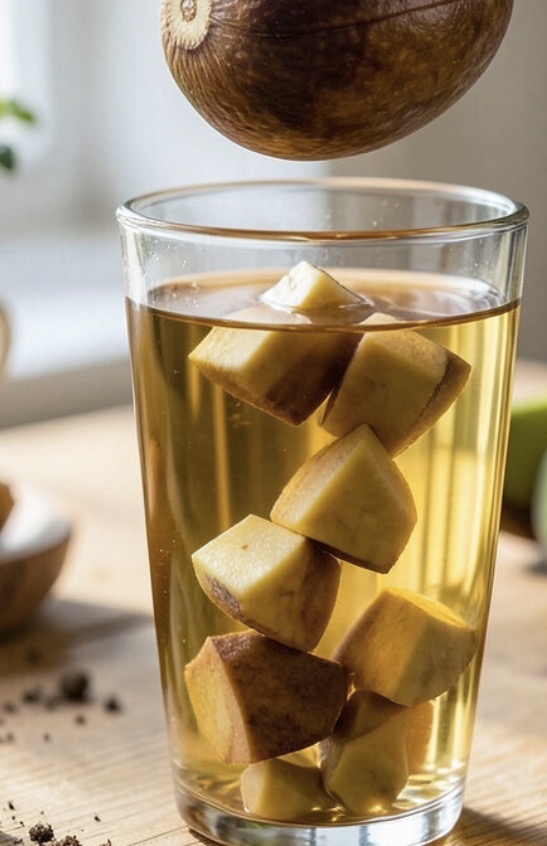
What is Avocado Seed Tea?Avocado seed tea is a beverage made by boiling or steeping the seed (also known as the pit) of an avocado. Traditionally, the avocado seed is either dried and ground into a powder or simply cut into smaller pieces before being infused in hot water. This trend has gained significant traction online, with many enthusiasts touting its various health benefits, often suggesting it’s a natural remedy for a range of ailments.The idea behind using the avocado seed for tea stems from the understanding that many plant parts, not just the fruit, contain valuable compounds. However, unlike the widely consumed and well-researched avocado flesh, the seed’s properties and safety profile when ingested by humans are not as thoroughly established, leading to a mix of excitement and caution.The Buzz Around Avocado Seed Tea: Reported BenefitsOnline discussions and anecdotal reports often highlight a broad spectrum of potential health advantages associated with consuming avocado seed tea. These claims frequently mirror those seen in the image, suggesting the tea:Eliminates or Reduces: Mild inflammation, fluid retention, excess toxins, oral bacteria, and even influences poor eating habits.Helps Improve: Blood sugar levels, blood pressure, digestive health, muscle aches, and strengthens the immune system.These purported benefits are often attributed to the seed’s rich composition of antioxidants, fiber, and other phytochemicals. Antioxidants are known to combat oxidative stress in the body, which is linked to various chronic diseases and inflammation. Fiber is crucial for digestive health and can help regulate blood sugar levels. However, it’s vital to critically examine these claims with a scientific lens.Scientific Perspective: What Does Research Say?While the avocado seed does contain a variety of beneficial compounds, most scientific research on its health effects has been conducted in laboratory settings or on animals, not on humans consuming it as a tea. Studies have identified:Antioxidants: Avocado seeds are indeed rich in phenolic compounds, which are powerful antioxidants. These compounds may contribute to anti-inflammatory effects.Fiber: A significant portion of the avocado seed is fiber, which can support gut health and satiety.Potential Antimicrobial Properties:Some research suggests that extracts from avocado seeds possess antimicrobial and antifungal properties, which could theoretically relate to claims about oral bacteria or general immunity.However, it’s a significant leap from isolated compounds in a lab to the direct consumption of avocado seed tea by humans and the specific health outcomes claimed. The concentration of these compounds in a homemade tea can vary greatly, and the body’s absorption and utilization of them are complex.Important Safety Considerations Before TryingThis is where the excitement around avocado seed tea often meets a crucial reality check. While the avocado flesh is undeniably healthy, the safety of consuming its seed is a subject of ongoing debate and concern among health professionals. Here’s what you need to know:Tannins: Avocado seeds contain tannins, which are naturally occurring plant compounds. While tannins have some antioxidant properties, in high concentrations, they can interfere with nutrient absorption and may cause digestive upset in some individuals.Other Compounds: The seed also contains other compounds whose effects on human health, especially when consumed regularly or in large quantities, are not fully understood or tested for safety.Lack of Human Studies: Crucially, there’s a significant lack of robust, peer-reviewed human clinical trials specifically on the safety and efficacy of consuming avocado seed tea. Without such studies, specific dosage recommendations or definitive health claims cannot be made.Potential for Toxicity: Some sources suggest that certain compounds in avocado seeds might be toxic in large amounts. While this is primarily a concern for animals (like birds), the absence of clear human safety data warrants caution.Given the limited research and potential for adverse effects, many health experts advise against regular consumption of avocado seed tea until more definitive safety data becomes available. It’s always best to err on the side of caution when introducing new, unresearched ingredients into your diet.How to Prepare Avocado Seed Tea (with caution)If you still choose to experiment with avocado seed tea, it’s important to approach it with caution and in moderation. Here’s a general method, keeping in mind the safety warnings:Clean the Seed: Thoroughly wash the avocado seed to remove any remaining avocado flesh.Dry (Optional but Recommended):Some prefer to dry the seed for a few days to make it easier to cut or grate.Prepare the Seed: You can either grate the seed or cut it into smaller chunks. Be very careful as the seed is hard and can be slippery. A sharp, sturdy knife or a grater designed for hard foods is necessary.Boil: Place the prepared seed pieces (e.g., from one seed) into about 2-3 cups of water. Bring to a boil, then reduce heat and simmer for 10-15 minutes.Strain: Strain the liquid to remove the seed pieces.Serve: You can drink it warm or chill it. Some add honey or lemon for flavor.Always start with a very small amount to see how your body reacts, and never consume it if you experience any adverse effects.Avocado Flesh vs. Avocado SeedWhen it comes to avocados, the flesh remains the undisputed nutritional powerhouse with well-documented benefits. It’s rich in healthy monounsaturated fats, fiber, vitamins (K, C, B6, E), and minerals (potassium, folate). These components are known to support heart health, aid digestion, and contribute to overall well-being.While the seed does contain some beneficial compounds, the extensive research and proven safety of avocado flesh make it the far superior and safer choice for nutritional intake. Sticking to the delicious and nutrient-dense avocado flesh is a guaranteed way to enjoy the health benefits of this incredible fruit without venturing into unproven territories.Frequently Asked Questions About Avocado Seed TeaIs avocado seed tea safe to drink?The safety of regularly consuming avocado seed tea is not well-established due to a lack of human clinical trials. While it contains beneficial compounds, potential side effects from tannins and other untested substances are a concern. It’s generally advised to exercise caution.What are the main claimed benefits of avocado seed tea?Proponents claim it can help with inflammation, fluid retention, blood sugar and pressure levels, digestive health, muscle aches, and immune system strengthening. However, these claims largely lack robust scientific backing in humans.Can avocado seed tea help with weight loss?Some anecdotal reports suggest it aids in weight loss due to its fiber content and potential metabolic effects. However, there is no scientific evidence from human studies to support these claims, and relying on it for weight loss is not recommended.How often can I drink avocado seed tea?Given the lack of safety data, there’s no recommended frequency. If you choose to try it, it’s best to consume it very sparingly and in small quantities, monitoring for any adverse reactions.What are the alternatives to avocado seed tea for similar benefits?For anti-inflammatory benefits, consider turmeric tea, ginger tea, or green tea. For digestive health, probiotic-rich foods and high-fiber fruits and vegetables are excellent choices. For overall wellness, a balanced diet rich in fruits, vegetables, and whole grains is always the best approach.Final ThoughtsThe viral trend of avocado seed tea highlights a growing interest in natural remedies and utilizing every part of our food. While the avocado seed does contain intriguing compounds, the current scientific evidence does not support the broad health claims made for its tea, and its safety for human consumption is not fully established. Until more comprehensive research emerges, enjoying the rich, healthy flesh of the avocado remains the safest and most beneficial way to incorporate this fruit into your diet. Always consult with a healthcare professional before making significant changes to your diet, especially if you have underlying health conditions or are taking medications.
Avocado Seed Tea: Unpacking the Viral Trend and Its Health Claims