# Bug Found in My Friend’s Hair: What Is It?
Finding a bug in your hair can be a shocking experience, especially if it’s discovered unexpectedly during a casual outing or a personal grooming session. Whether you’re at home, at the park, or on vacation, the sight of an insect in your friend’s hair can raise a multitude of questions. This article explores the potential types of bugs that may end up in hair, how to identify them, what steps to take next, and how to prevent future encounters.
## Common Bugs Found in Hair
### 1. Lice
**What Are Lice?**
Lice are small, parasitic insects that feed on human blood. The two main types that infest the scalp are head lice (Pediculus humanus capitis) and body lice (Pediculus humanus corporis).
**Identification**
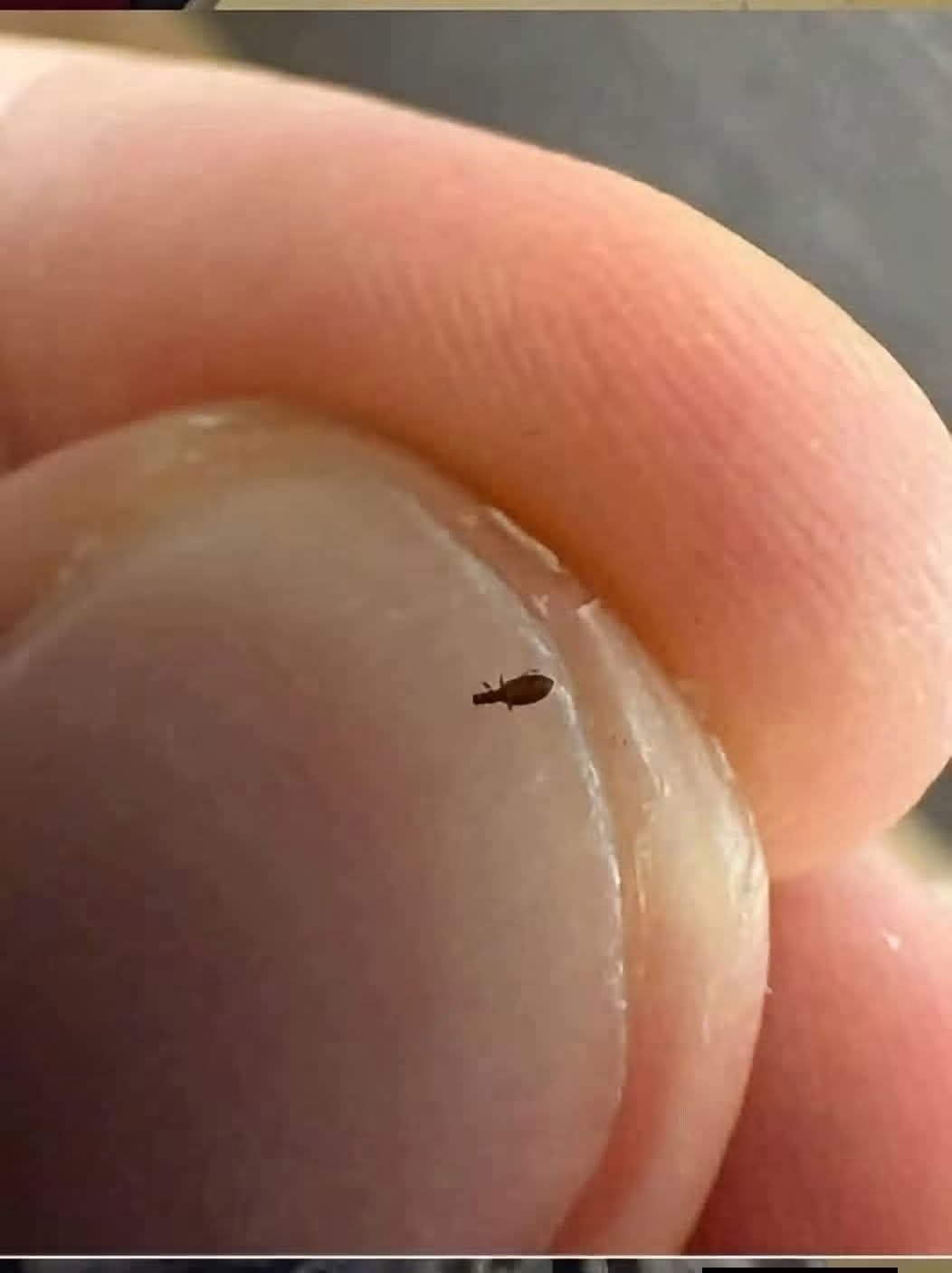
Head lice are typically about the size of a sesame seed and are tan to grayish-white. They lay eggs, known as nits, which are small, oval, and often yellow or white, firmly attached to the hair shafts. Body lice are more commonly found in the seams of clothing and are less frequently detected in hair.
**Solutions**
Treatment for lice includes over-the-counter shampoos that contain pyrethrin or permethrin. For stubborn cases, a healthcare professional may recommend prescription treatments. It’s critical to wash clothing and bedding in hot water to prevent recurrence.
### 2. Fleas
**What Are Fleas?**
Fleas are small, brownish insects that are primarily parasites of mammals and birds. They are known for their ability to jump long distances.
**Identification**
While fleas are more commonly associated with pets, they can occasionally jump onto humans. Fleas are about 1/16 to 1/8 inch long and have flat bodies. They can bite, causing itchy welts on the scalp.
**Solutions**
To eliminate fleas, use an insecticide treatment suitable for home use and ensure pets are treated with flea preventative medications. Vacuuming carpets and furniture regularly can also help curb flea populations.
### 3. Bed Bugs
**What Are Bed Bugs?**
Bed bugs (Cimex lectularius) are small, brownish insects that thrive in beds, furniture, and cracks in walls.
**Identification**
Though bed bugs usually inhabit sleeping areas, they can find their way into hair when people sleep infested. They leave behind red, itchy spots on the skin and can be identified by their oval shape and the telltale brown spots from their excrement.
**Solutions**
To tackle bed bug infestations, it’s essential to wash all bedding and personal items in hot water and use specialized bed bug treatments to eliminate them from the living space.
### 4. Hair Mites
**What Are Hair Mites?**
Hair mites are microscopic organisms that dwell on human skin and hair. The most common type is Demodex folliculorum.
**Identification**
While they are typically non-harmful, an overabundance can lead to skin issues. As they are so small, they cannot be seen without a microscope. Signs of discomfort might include itching or scalp irritation.
**Solutions**
Most people do not require treatment for hair mites, but maintaining good hygiene can minimize their presence. In persistent cases, consult a dermatologist for assistance.
## Steps to Take After Finding a Bug in Hair
1. **Stay Calm**
The first and most important step is to remain calm. Panicking can make the situation feel worse than it is.
2. **Identify the Bug**
Use the descriptions above to help identify the bug. Checking online resources or illustrations may provide clarity.
3. **Remove the Bug**
Gently remove the bug using a fine-tooth comb or your fingers if it’s accessible. If it’s a louse or a flea, ensure to dispose of it properly.
4. **Wash Hair and Scalp**
After removal, wash the hair thoroughly with shampoo. This helps remove any eggs, nits, or contaminants.
5. **Seek Professional Help**
If the insect is identified as a louse or shows signs of infestation, seek advice from a healthcare professional or a pest control specialist.
## Preventive Measures
### 1. Regular Hair Checks
Perform regular checks on your hair, especially if you spend time in places where others might have lice or fleas, such as schools or parks.
### 2. Maintain Cleanliness
Maintaining hygiene is vital. Regularly wash hair, bedding, and clothing to minimize the risk of bugs residing in them.
### 3. Communicate with Close Contacts
If you discover a louse or any infestation, inform friends and family so they can take preventive measures as well.
## Conclusion
Finding a bug in your friend’s hair can be concerning, but understanding what you may be dealing with and how to address it is crucial. Whether it’s lice, fleas, bed bugs, or hair mites, appropriate knowledge and actions can help alleviate worries and manage the situation effectively. Remember that prevention is often the best course of action; regular checks and maintaining personal hygiene can significantly reduce encounters with unwanted pests. For persistent issues or concerning infestations, don’t hesitate to reach out to professionals for assistance.