
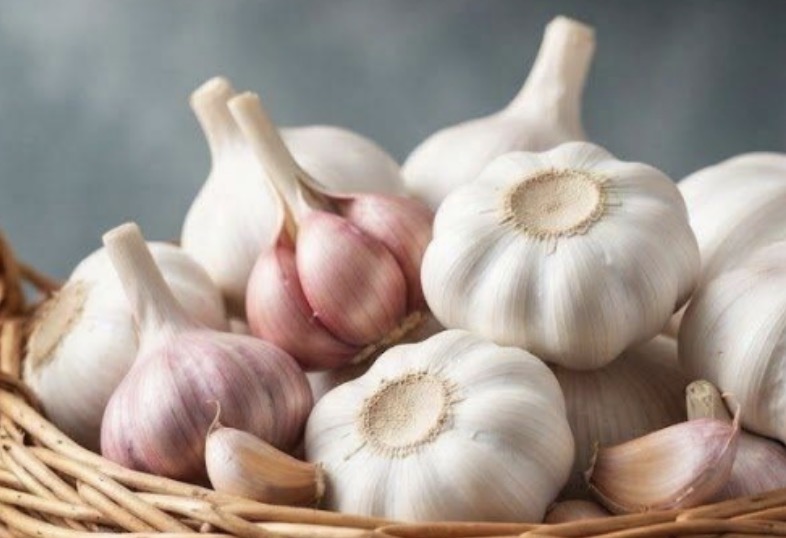
Garlic has earned a reputation as one of the most useful ingredients in the kitchen.
It adds a distinctive flavor to soups, sauces, vegetables, meat, seafood, and countless traditional dishes. Beyond its culinary role, garlic has also been studied for a variety of potential health effects, particularly its sulfur-containing compounds and their possible relationship with cardiovascular and metabolic health.
For many people, eating garlic as part of a normal, balanced diet is perfectly reasonable.
But healthy does not mean suitable for everyone in every amount.
Some people may experience digestive problems after eating garlic. Others may need to be cautious because of medications they take or because they have certain medical conditions. Garlic supplements and concentrated garlic extracts can also behave differently from the small amounts normally used in cooking.
That distinction is important.
The question is not whether garlic is “good” or “bad.”
The more useful question is:
Who may need to be careful with garlic, and why?
Understanding that difference can help you enjoy garlic safely without turning a nutritious food into something to fear.
Ai nên ăn tỏi sống thường xuyên?
Why Is Garlic Considered Healthy?
Garlic belongs to the Allium family, along with onions, shallots, leeks, and chives.
When garlic is chopped, crushed, or chewed, it undergoes chemical reactions that produce sulfur-containing compounds. One of the best-known is allicin, which contributes to the characteristic smell and flavor of freshly crushed garlic.
Garlic also contains smaller amounts of nutrients and various plant compounds.
Research has investigated garlic for potential effects involving:
Cardiovascular health
Blood pressure
Blood cholesterol
Blood sugar
Oxidative stress
Inflammation
Immune function
Some studies suggest that garlic preparations may produce modest improvements in certain cardiovascular risk factors, particularly blood pressure in some people with hypertension.
However, garlic should not be considered a replacement for prescribed medication or medical treatment.
Eating garlic does not guarantee protection against heart disease, diabetes, infection, or cancer.
Its potential benefits are best understood as part of an overall healthy dietary pattern.
The First Group That May Need to Be Careful: People With Digestive Problems
One of the most common reasons someone may need to limit garlic is surprisingly simple:
It can upset the digestive system.
Garlic contains fermentable carbohydrates known as fructans, which belong to the broader group of FODMAPs.
For some people, particularly those with irritable bowel syndrome (IBS), foods high in certain FODMAPs can trigger symptoms.
These may include:
Bloating
Gas
Abdominal discomfort
Cramping
Diarrhea
Changes in bowel habits
The amount matters.
A person may tolerate a small amount of garlic cooked into a meal but develop symptoms after eating a large quantity of raw garlic.
That does not necessarily mean garlic is harmful to the digestive tract.
It may simply mean that the individual is sensitive to the amount or type of carbohydrate present.
People With IBS May Be Especially Sensitive
People with irritable bowel syndrome sometimes notice that garlic causes significant digestive symptoms.
This is because garlic is particularly high in fructans.
A low-FODMAP diet may temporarily restrict garlic and other high-FODMAP foods in people with IBS under appropriate guidance.
But there is an important point:
Avoiding garlic forever is not necessarily the goal.
Dietary tolerance varies considerably from person to person.
Some people may eventually tolerate small portions.
A registered dietitian familiar with the low-FODMAP approach can help identify individual triggers and determine whether foods can gradually be reintroduced.
Raw Garlic May Be Harder to Tolerate
Raw garlic is particularly potent.
It contains concentrated flavor compounds and can feel irritating to some people’s digestive systems.
Eating large amounts of raw garlic may cause:
Heartburn
Stomach discomfort
Nausea
Gas
Bloating
Cooking garlic can change its chemical composition and reduce some of its pungency.
For someone who experiences discomfort after eating raw garlic, using a smaller amount in cooked food may be easier to tolerate.
The goal does not necessarily have to be complete avoidance.
Sometimes portion size and preparation method make a significant difference.
People With Acid Reflux May Want to Pay Attention
Garlic can be a trigger for some people with gastroesophageal reflux disease (GERD).
This does not mean everyone with reflux needs to eliminate garlic.
GERD triggers are highly individual.
Some people can eat garlic without difficulty.
Others notice that raw garlic, garlic-heavy meals, or large portions worsen symptoms such as:
Heartburn
Acid taste in the mouth
Regurgitation
Burning in the chest
Upper-abdominal discomfort
If you repeatedly notice a connection between garlic and reflux symptoms, reducing the amount or choosing milder preparations may be worth discussing with a healthcare professional.
People Taking Blood-Thinning Medication Need to Be Cautious
This is one of the more important considerations.
Garlic may have antiplatelet effects, meaning it can potentially affect how platelets participate in blood clotting.
That becomes particularly relevant when someone is already taking medications that affect bleeding.
Examples include certain anticoagulants and antiplatelet drugs, such as:
Warfarin
Aspirin
Clopidogrel
Apixaban
Rivaroxaban
Other medications prescribed to reduce clotting
The degree of interaction can depend on the product, dose, and individual circumstances.
Eating ordinary amounts of garlic in food is generally different from taking concentrated garlic supplements.
Garlic supplements can contain much higher and more standardized amounts of active compounds.
If you take medication that affects blood clotting, talk with your healthcare professional before starting concentrated garlic supplements.
Why Garlic Supplements Are Different
A common mistake is assuming that because garlic is a food, a garlic supplement must be harmless.
That does not necessarily follow.
Food and concentrated supplements can expose the body to very different amounts of active compounds.
A person might eat a small amount of garlic in a meal.
A supplement, however, may contain concentrated garlic extract designed to deliver a standardized quantity of particular compounds.
This can increase the possibility of interactions.
The same principle applies to many herbal products.
Natural does not automatically mean risk-free.
Before Surgery, Ask Your Doctor About Garlic Supplements
People scheduled for surgery or invasive medical procedures may also be advised to stop certain supplements beforehand.
Garlic supplements are sometimes included in discussions about products that could potentially increase bleeding risk.
The exact recommendation depends on the person’s medications, health status, type of procedure, and the specific supplement.
If you are preparing for surgery, tell your surgeon and anesthesiology team about all supplements and medications you take.
Do not assume that a supplement does not matter simply because it was purchased without a prescription.
People With Low Blood Pressure Should Also Be Mindful
Some research suggests that certain garlic preparations may modestly lower blood pressure in people with hypertension.
That does not mean garlic normally causes dangerously low blood pressure.
For most people eating ordinary amounts in food, the effect is unlikely to be dramatic.
But someone who already has low blood pressure or takes several blood-pressure-lowering medications should be aware of the possibility of additive effects, particularly with concentrated supplements.
Symptoms of excessively low blood pressure can include:
Dizziness
Lightheadedness
Weakness
Blurred vision
Fainting
If these symptoms occur repeatedly, medical evaluation is appropriate.
People Taking Blood-Pressure Medication Should Discuss Supplements
The same principle applies to people taking antihypertensive drugs.
Garlic supplements have been studied for their potential blood-pressure-lowering effects.
If someone combines a concentrated garlic product with prescription blood-pressure medication, the overall effect may be greater than expected.
This does not mean people taking blood-pressure medication must stop eating garlic.
Normal culinary use is not the same thing as high-dose supplementation.
The main concern is often concentrated products, especially when several medications are involved.
People With Certain Blood-Sugar Problems Should Be Careful With Supplements
Garlic has also been studied for potential effects on blood glucose.
Some research suggests garlic preparations may have modest glucose-lowering effects in certain populations.
Again, the evidence is not strong enough to treat garlic as a diabetes medication.
But people taking medications that lower blood sugar should be cautious about adding concentrated supplements without medical advice.
The concern is not the garlic used in a normal meal.
The concern is combining potentially active supplements with prescription therapy without monitoring.
Anyone with diabetes should continue taking prescribed medication and following their treatment plan rather than trying to replace it with garlic.
People With Known Garlic Intolerance Should Listen to Their Bodies
Some people simply do not tolerate garlic well.
They may experience symptoms every time they eat it.
This is different from saying that garlic is unhealthy for everyone.
Food tolerance is highly individual.
If garlic consistently causes digestive symptoms, headaches, reflux, or another reproducible reaction, it makes sense to discuss the pattern with a healthcare professional.
Keeping a food and symptom diary can sometimes help identify whether garlic is genuinely responsible or whether another ingredient in the meal is the trigger.
Garlic Allergy Is Possible, Although Uncommon
A true garlic allergy is different from digestive intolerance.
An allergic reaction involves the immune system.
Possible symptoms can include:
Hives
Itching
Swelling
Wheezing
Vomiting
Difficulty breathing
Severe allergic reactions can become life-threatening.
If someone develops difficulty breathing, swelling of the throat or tongue, faintness, or rapidly worsening symptoms after eating garlic, they need emergency medical attention.
People with a confirmed garlic allergy should follow their healthcare professional’s advice regarding avoidance.
Bad Breath Is Another Reason Some People Limit Garlic
This is not a medical danger, but it is certainly a practical issue.
Garlic’s sulfur-containing compounds can contribute to strong breath odor.
Interestingly, some of these compounds can remain detectable after digestion because certain molecules enter the bloodstream and are eventually released through the lungs.
That is why brushing your teeth does not always eliminate garlic breath immediately.
For most people, this is simply an inconvenience rather than a health problem.
But if you are preparing for an important meeting, date, presentation, or social event, the timing of a garlic-heavy meal may matter.
Tỏi tốt như thế nào? “Vạch trần” sai lầm khi ăn tỏi làm mất dưỡng chất
Garlic and Skin Irritation
Eating garlic is very different from putting raw garlic directly on the skin.
This distinction is important because some people use raw garlic as a home remedy for skin problems.
Direct application of raw garlic can cause significant skin irritation and even chemical burns.
It should not be considered a harmless natural treatment.
If you have a skin condition, use treatments that have been appropriately evaluated rather than applying raw garlic directly to damaged or sensitive skin.
Don’t Put Raw Garlic in the Ear
Another traditional home remedy involves putting garlic into the ear for ear infections or pain.
This is not a safe practice.
Garlic can irritate delicate tissue.
If the eardrum is perforated, inserting substances into the ear can potentially cause additional problems.
Ear pain should be evaluated according to its cause.
A food that is nutritious when eaten is not automatically safe when inserted into another part of the body.
What About People With Stomach Ulcers?
Garlic does not automatically cause stomach ulcers.
Most ulcers are associated with Helicobacter pylori infection or the use of certain medications, particularly NSAIDs.
However, large amounts of raw garlic can irritate the digestive system in some people.
Someone with an active ulcer or severe upper-abdominal symptoms may therefore find highly concentrated or raw garlic uncomfortable.
If garlic consistently causes pain, burning, or nausea, it is reasonable to reduce it and seek medical advice rather than assuming that the discomfort is harmless.
Garlic and Kidney Disease
People with chronic kidney disease often need individualized dietary advice.
Garlic itself is not universally prohibited for people with kidney disease.
In fact, small amounts of garlic can be a useful way to add flavor without relying heavily on salt.
However, people with advanced kidney disease may have individualized restrictions involving sodium, potassium, phosphorus, fluids, or other nutrients.
The overall meal matters.
For example, garlic itself may not be the problem, but a heavily salted garlic sauce or processed garlic seasoning could contribute substantial sodium.
If you have kidney disease, follow the dietary plan provided by your healthcare team rather than eliminating foods unnecessarily.
Garlic Powder Is Not Always the Same as Fresh Garlic
The word “garlic” can refer to several different products:
Fresh garlic cloves
Garlic powder
Garlic salt
Aged garlic extract
Garlic oil
Garlic capsules
Other concentrated supplements
These products can have very different compositions.
Garlic salt, for example, can contribute a meaningful amount of sodium.
For someone with high blood pressure, heart failure, or kidney disease who needs to limit sodium, this may matter more than the garlic itself.
Fresh garlic or salt-free garlic powder can sometimes provide flavor without the same sodium burden.
Always check the nutrition label.
A Little Garlic Can Go a Long Way
One reason garlic remains so useful in cooking is that you generally do not need much.
A small amount can dramatically change the flavor of a meal.
That makes it possible to enjoy garlic without consuming large quantities.
For most healthy people, using garlic as a culinary ingredient is unlikely to create the same concerns associated with concentrated supplements.
The key is moderation.
More is not automatically better.
Should Everyone Stop Eating Garlic?
No.
There is no general reason for healthy people to eliminate garlic from their diet.
Garlic can be part of a balanced eating pattern and provides flavor along with a variety of plant compounds.
The important message is more nuanced:
Garlic may be beneficial for many people, but individual circumstances matter.
Someone with IBS may need to limit it.
Someone taking anticoagulants may need to discuss concentrated garlic supplements with a clinician.
Someone with a garlic allergy may need complete avoidance.
Someone with reflux may discover that garlic is a personal trigger.
Someone preparing for surgery may need to review supplement use with their medical team.
These are very different situations.
The Amount You Eat Matters
There is a major difference between:
Eating one clove of garlic in a vegetable stir-fry
and
Taking a concentrated garlic supplement every day.
The first is ordinary food consumption.
The second is closer to pharmacologically active supplementation.
The risks and potential interactions are therefore not necessarily the same.
This distinction is often overlooked in online discussions about garlic.
A food can be perfectly reasonable in normal culinary quantities while concentrated extracts require additional caution.
Cooked Garlic vs. Raw Garlic
The way garlic is prepared changes its chemical properties.
Crushing or chopping garlic activates enzymes that contribute to the formation of allicin.
Heat can then alter these compounds.
That means raw, freshly crushed, sautéed, roasted, and processed garlic are not chemically identical.
From a practical perspective, people who experience digestive discomfort with raw garlic may find cooked garlic easier to tolerate.
Roasted garlic also has a much milder, sweeter flavor.
That can make it easier to use smaller amounts while still getting plenty of flavor.
Garlic Doesn’t Replace a Healthy Diet
It is easy for individual foods to become the focus of health discussions.
Garlic is sometimes described as a natural remedy for nearly everything.
That is an exaggeration.
Eating garlic cannot compensate for:
A highly processed diet
Smoking
Uncontrolled blood pressure
Poor diabetes management
Physical inactivity
Excessive alcohol consumption
Inadequate sleep
Health is shaped by patterns, not magic ingredients.
Garlic can be part of a healthy pattern.
It is not the foundation of one.
What Research Actually Suggests
Studies of garlic have investigated possible effects on cardiovascular risk factors, including blood pressure and cholesterol.
Some meta-analyses and clinical trials suggest that particular garlic preparations may produce modest reductions in blood pressure in certain people with hypertension.
Evidence regarding cholesterol and blood sugar has been more variable.
The results can differ depending on:
The type of garlic preparation
Dose
Duration of use
Study population
Baseline health status
This is why it is misleading to make sweeping claims such as “garlic lowers cholesterol” or “garlic prevents heart disease.”
A more accurate statement is that some garlic preparations have shown potential modest effects on certain cardiovascular risk factors in research settings.
That is very different from saying garlic is a treatment.
Why Supplements Require Extra Caution
Supplements can create a false sense of security.
A person may think:
“It’s natural, so I don’t need to tell my doctor.”
That is not a good rule.
Supplements can interact with prescription drugs.
They can affect blood pressure.
They can influence blood clotting.
They can affect blood sugar.
And their concentration can vary substantially from ordinary food.
If you take several medications, are pregnant, have a chronic medical condition, or are preparing for surgery, discussing supplements with a healthcare professional is especially important.
What If You Love Garlic?
You probably don’t need to give it up simply because you have heard warnings online.
Instead, consider your own response.
Ask yourself:
Does garlic consistently cause stomach discomfort?
Does it trigger heartburn?
Do I have a diagnosed garlic allergy?
Am I taking medication that affects blood clotting?
Am I considering a concentrated garlic supplement?
Do I have a medical condition requiring dietary restrictions?
Am I preparing for surgery?
If the answer to these questions is no, ordinary culinary use of garlic is generally compatible with a healthy diet for most people.
How to Enjoy Garlic More Gently
If garlic bothers your stomach, there are several practical approaches.
Use less
A smaller amount may provide flavor without triggering symptoms.
Cook it
Roasted or sautéed garlic may be easier to tolerate than raw garlic.
Combine it with other ingredients
Instead of eating garlic by itself, use it as part of a balanced meal.
Avoid concentrated supplements
If your goal is simply to enjoy garlic as a food, there may be little reason to use high-dose extracts.
Track your symptoms
If you suspect garlic causes problems, keep a record of what you eat and what symptoms follow.
This can help distinguish garlic from other ingredients in the meal.
When to Seek Medical Advice
If you repeatedly experience symptoms after eating garlic, don’t simply assume you need to eliminate every food containing it.
Talk with a healthcare professional if you experience:
Persistent abdominal pain
Recurrent diarrhea
Significant vomiting
Unexplained weight loss
Difficulty swallowing
Persistent reflux
Hives or swelling
Breathing difficulties
Blood in the stool
Severe or worsening symptoms
These symptoms may have causes unrelated to garlic and may require proper diagnosis.
Sai lầm khi dùng tỏi gần như ai cũng mắc – Báo VnExpress Cooking
The Bottom Line
Garlic is a nutritious and flavorful food that can fit comfortably into a healthy diet for many people.
Its sulfur-containing compounds have been studied for potential cardiovascular and metabolic effects, and garlic can be an easy way to add flavor to meals without relying heavily on salt.
But garlic is not automatically appropriate in every form and every amount for every person.
People with IBS or certain digestive sensitivities may find that garlic triggers bloating, gas, abdominal pain, or diarrhea.
People with reflux may notice that raw or large amounts of garlic worsen their symptoms.
Those taking medications that affect blood clotting or blood pressure should discuss concentrated garlic supplements with a healthcare professional.
People with a true garlic allergy need to avoid it and should know the signs of a serious allergic reaction.
And anyone preparing for surgery should disclose garlic supplements and other herbal products to their medical team.
Perhaps the most useful rule is simple:
Don’t confuse a healthy food with a universal remedy.
Garlic can be beneficial as part of a balanced diet, but more is not necessarily better, and concentrated supplements are not the same as using a small amount in cooking.
If garlic makes you feel well and you have no medical reason to restrict it, there is generally no need to fear it.
But if you repeatedly notice digestive symptoms, allergic reactions, unusual bleeding, or other problems after consuming garlic or if you take medications that could interact with concentrated garlic products – it’s worth talking with a healthcare professional.
In the end, healthy eating is not about finding one “perfect” food.
It’s about finding a pattern of eating that supports your health while also fitting your individual body, medications, and medical needs.
And for most people, that can include a little garlic – just not necessarily a lot of it.