# Here’s What to Do If You Spot a Lone Star Tick!!!!
Lone Star ticks (Amblyomma americanum) have emerged as a significant concern for outdoor enthusiasts and pet owners alike. Understanding what to do when you encounter one of these pests is essential for your health and safety. This comprehensive guide will provide you with valuable information on identifying Lone Star ticks, understanding the risks associated with tick bites, and learning the best practices for prevention and removal.
## What is a Lone Star Tick?
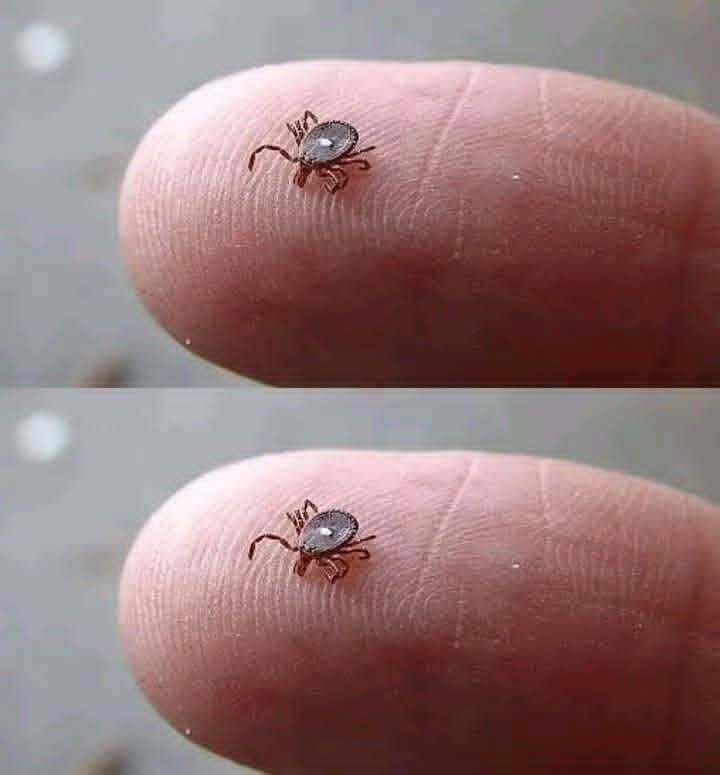
The Lone Star tick is a type of tick commonly found in the eastern and southeastern United States. It is identifiable by its distinctive white dot or “lone star” on its back, which gives the tick its name. Lone Star ticks are larger than other common ticks, generally measuring between 3 to 8 millimeters, and they can bite humans and pets, transmitting various diseases in the process.
### Identifying the Lone Star Tick
To effectively manage your exposure to Lone Star ticks, you need to know how to identify them accurately:
– **Color and Size**: Adult Lone Star ticks have a reddish-brown body with a slight shape that tapers towards the back. Female ticks are larger and often have a distinct white spot on their dorsal side.
– **Life Cycle**: Like all ticks, Lone Star ticks undergo several stages: larva, nymph, and adult. Understanding these stages is crucial since each stage has different hosts and hosts preferences.
### Risks of Lone Star Tick Bites
Lone Star ticks are not just an annoyance; they pose genuine health risks. They are known vectors for several diseases:
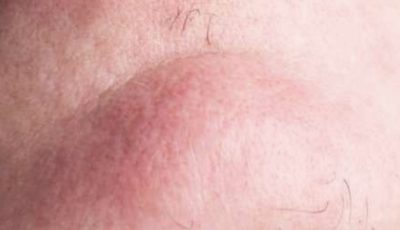
– **Southern Tick-Associated Rash Illness (STARI)**: This disease can cause symptoms similar to Lyme disease, including a rash and flu-like symptoms, although the exact cause is still under research.
– **Ehrlichiosis**: This bacterial infection can lead to symptoms like fever, headache, and fatigue. If untreated, it can result in severe health complications.
– **Alpha-Gal Syndrome**: A relatively new allergy to red meat linked to Lone Star tick bites. This causes allergic reactions to certain meats and can drastically affect dietary choices.
Knowing the risks associated with these ticks enables you to take necessary precautions.
## What to Do If You Spot a Lone Star Tick
Encountering a Lone Star tick can be alarming, but here are the steps to take if you spot one.
### 1. Remain Calm
Your first reaction may be panic, but it’s essential to stay calm. Understanding what to do next will help ease your anxiety and ensure your safety.
### 2. Assess Your Environment
Take note of where you found the tick. Were you hiking, camping, or in your backyard? Identifying the environment can help you determine the level of exposure and further assess the risk.
### 3. Safely Remove the Tick
If a tick is attached to your skin, immediate removal is essential. Here’s how you can safely remove it:
– **Gather Your Tools**: You will need fine-tipped tweezers, gloves, and a small container or bag.
– **Wear Gloves**: Always wear gloves to avoid direct contact with the tick.
– **Grab the Tick with Tweezers**: Use the tweezers to grasp the tick as close to the skin’s surface as possible. Apply steady, even pressure and pull upward; don’t twist or jerk.
– **Clean the Area**: Once the tick is removed, clean the bite area and your hands with rubbing alcohol, an iodine scrub, or soap and water.
– **Save the Tick**: Place the tick in a sealed container. This may be helpful if you develop symptoms later.
### 4. Monitor for Symptoms
After a tick bite, monitor your health closely for several weeks. Symptoms of tick-borne diseases may appear anywhere from several days to several weeks post-bite. Common signs include:
– Fever and chills
– Fatigue
– Headache
– Muscle aches
– Rash
If you experience any of these symptoms, it is crucial to seek medical attention immediately.
### 5. Consult a Healthcare Provider
If a tick has bitten you, especially a Lone Star tick, it is advisable to visit a healthcare provider, even if you feel fine. They may recommend tests or preventative treatments if risks are significant. Early detection and treatment can drastically improve recovery outcomes.
## Preventing Lone Star Tick Encounters
Prevention is always better than treating a tick bite. Here are steps you can take to minimize your exposure and risks:
### 1. Dress Appropriately
Wear light-colored clothing that covers your skin when heading into tick-prone areas. Long sleeves, long pants, and boots are ideal. Tucking pants into socks can also help prevent ticks from reaching your skin.
### 2. Use Tick Repellent
Utilize repellents containing DEET or picaridin on exposed skin and clothing. Always follow instructions on the label and reapply as necessary.
### 3. Maintain Your Yard
If you have a yard, keep grass trimmed, remove brush and leaf litter, and maintain a barrier between your lawn and wooded areas. This creates a less inviting environment for ticks.
### 4. Conduct Regular Tick Checks
Regularly check yourself, your family members, and your pets for ticks after being outdoors, especially in wooded or grassy areas. Make this a part of your return from outdoor activities.
### 5. Educate Others
Educating your family and community about Lone Star ticks and tick-borne diseases increases awareness and safety measures among those who frequent outdoor spaces.
## Conclusion
Lone Star ticks pose significant risks that can lead to a range of health complications. Being informed about how to identify, remove, and monitor for symptoms after encountering these ticks is crucial for everyone, especially for outdoor enthusiasts and pet owners. Furthermore, adopting preventative measures will assist in minimizing exposure and ultimately protecting your health. Remember, a proactive approach is the best defense against tick-borne diseases. Stay safe and informed, and enjoy your time outdoors!