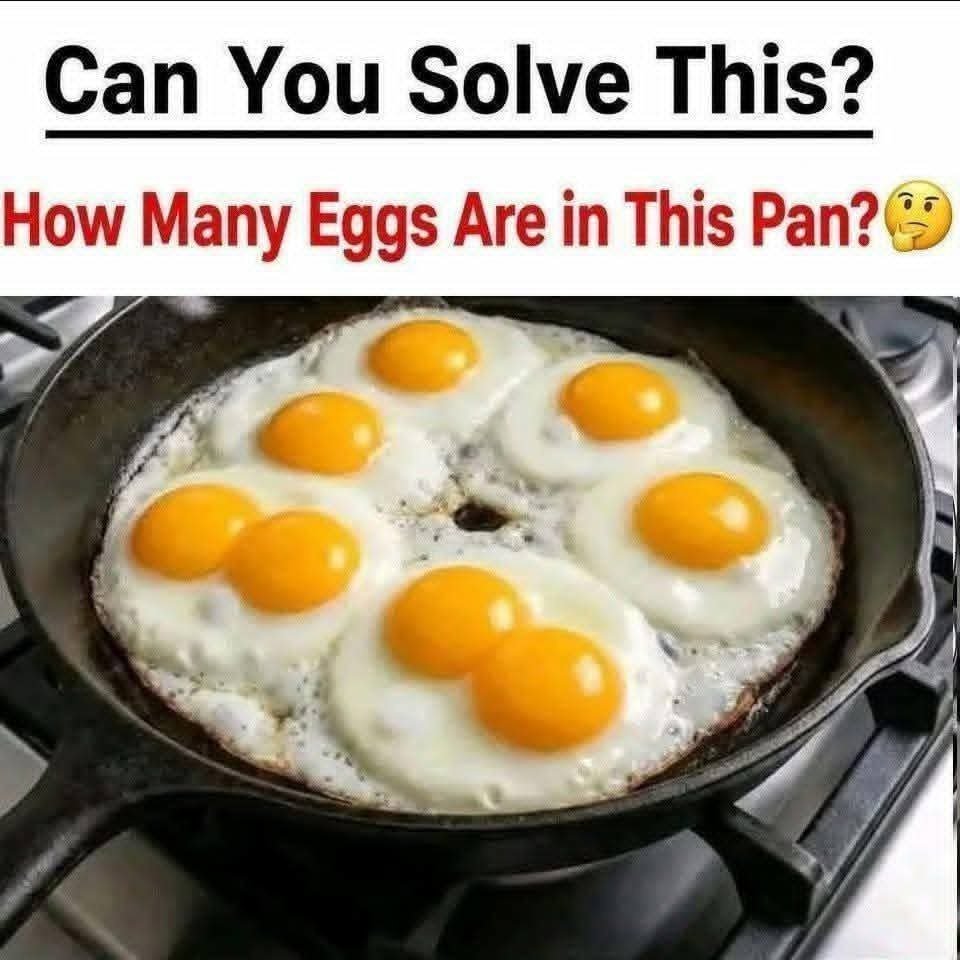
# How Many Eggs Are in This Pan?
Cooking with eggs is an art many cherished around the globe. From breakfast plates to gourmet dinners, eggs present countless culinary opportunities. But if you’re trying to figure out “How many eggs are in this pan?” you may be looking for more than just a count. In this article, we will delve into everything you need to know about cooking with eggs, including tips on choosing, using, and even how many eggs to use based on different cooking methods and serving sizes.
## Understanding Egg Sizes and Their Use in Cooking
Before counting eggs, it is vital to understand the different sizes available in the market. Eggs typically come in three sizes: small, medium, and large. The weight of a large egg is about 57 grams (or 2 ounces). Most recipes, especially in the United States, are designed using large eggs.
### Common Sizes and Their Uses
– **Small Eggs (38 grams)**: Usually used in baking where precision is key, such as in soufflés or mousse.
– **Medium Eggs (44 grams)**: Often preferred by those who like a little more richness in their recipes without going overboard.
– **Large Eggs (57 grams)**: The most commonly used eggs in various recipes, including omelets, frittatas, and hard-boiled eggs.
When determining how many eggs to put in a pan, consider the type of dish you want to create. For instance, an omelet for breakfast might require two to three eggs, while a frittata could call for six to twelve, depending on the pan size and number of servings.
## Cooking Techniques and How They Affect Egg Quantity
Eggs can be cooked in numerous ways, such as scrambling, frying, boiling, or baking. The technique you choose will influence how many eggs you should use.
### Scrambled Eggs
For scrambled eggs, a general guideline is to use two large eggs per person for a generous serving. If you’re cooking for four people, you’ll need around eight eggs. Here’s a simple recipe for scrambled eggs:
1. **Ingredients**: 8 large eggs, 2 tablespoons of milk, salt, and pepper to taste.
2. **Instructions**:
– In a bowl, whisk the eggs and milk together.
– Season with salt and pepper.
– Heat a non-stick pan over medium heat and add a little butter.
– Pour in the egg mixture and stir gently until just set.
### Eggs in a Frittata
Frittatas are versatile and can be filled with veggies, meats, and cheeses. The common rule is about 6 to 12 eggs for a standard size skillet (10 to 12 inches), depending on the number of added ingredients.
**Simple Frittata Recipe**:
1. **Ingredients**: 8 large eggs, 1 cup of chopped vegetables (like spinach, tomatoes, or bell peppers), and 1 cup of cheese.
2. **Instructions**:
– Preheat your oven to 375°F (190°C).
– In a mixing bowl, whisk the eggs and add in the vegetables and cheese.
– Pour the mixture into a greased oven-safe skillet.
– Cook on the stove for about 5 minutes, then transfer to the oven for 15-20 minutes until set.
### Boiled Eggs
When boiling eggs, the question of quantity may arise based on gifting or meal prepping. For a classic appetizer or snack, consider boiling a dozen eggs and keeping them in the fridge for easy access. A common serving suggestion is two to three eggs per person.
### Egg-based Dishes
Recipes like quiches and custards require a larger quantity of eggs. Quiche recipes often call for 4 to 6 large eggs for a 9-inch pie dish. It’s essential to adjust based on the volume of cream or milk you’re including as well.
## Creative Ways to Use Excess Eggs
Sometimes, you might find yourself with leftover eggs or excess from your meal prep. Here’s how to creatively utilize them:
– **Egg Muffins**: Whisk eggs and pour the mixture into a muffin tin with vegetables and cheese for easy breakfast bites.
– **Pickled Eggs**: Boil, peel, and marinate hard-boiled eggs in vinegar, spices, and beet juice for a tangy treat.
– **Baked Goods**: Use excess eggs in cakes, brownies, or pancakes to enhance flavor and nutrition.
## Nutritional Aspects of Eggs
Eggs are a powerhouse of nutrients. Each large egg contains about 6 grams of protein, making them an excellent source of nourishment. They are rich in vitamins A, D, and B-complex vitamins, along with minerals like iron and zinc. Understanding their nutritional value can guide your cooking choices and help in meal planning.
## Conclusion
In conclusion, figuring out “How many eggs are in this pan?” depends heavily on the dish you plan to prepare and the number of servings you require. From breakfast options like scrambled eggs to more intricate dishes like frittatas and quiches, adjusting the number of eggs can tailor the recipe to your needs. With this knowledge, you can effectively incorporate eggs into your cooking routine, maximize their use, and explore various egg-based recipes to delight your taste buds. Eggs are not just a source of nutrition; they open a world of culinary possibilities. Remember to store leftover eggs safely and creatively utilize them in future meals for a sustainable approach to cooking.