# If You Get Leg Cramps at Night, You Need to Know This Immediately
Leg cramps at night, often referred to as nocturnal leg cramps, can be a frustrating and painful experience. These sudden, involuntary muscle contractions can disrupt your sleep, leaving you tired and irritable the following day. Understanding the causes, remedies, and preventive measures for nighttime leg cramps can significantly improve your quality of life.
## What Are Nocturnal Leg Cramps?
Nocturnal leg cramps are involuntary muscle contractions that typically occur in the calf muscles, although they can also affect the thighs and feet. These cramps can last anywhere from a few seconds to several minutes and often occur during sleep or while lying down. While they are not usually harmful, they can be quite uncomfortable and may lead to sleep disturbances.
### Causes of Leg Cramps at Night
Understanding what triggers leg cramps can help in managing and preventing future occurrences. Here are some common causes:
1. **Dehydration**: Insufficient water intake can lead to muscle cramps as muscles need proper hydration to function optimally.
2. **Electrolyte Imbalance**: Low levels of electrolytes, such as potassium, magnesium, and calcium, can contribute to muscle cramps.
3. **Overexertion**: Intense physical activity or muscle fatigue can increase the likelihood of leg cramps.
4. **Posture**: Poor posture while sleeping, such as putting your legs in awkward positions, can lead to muscle contractions.
5. **Medical Conditions**: Certain health issues like diabetes, nerve disorders, or vascular diseases may increase the chances of experiencing leg cramps.
### Remedies for Nighttime Leg Cramps
If you find yourself waking up due to leg cramps, there are several immediate remedies you can use to relieve the discomfort.
#### 1. Stretching
Gentle stretching before bedtime can help relax the muscles and reduce the likelihood of cramping. Consider the following:
– **Calf Stretch**: Stand at arm’s length from a wall, place your hands on the wall, and step back with one leg, keeping it straight while bending the front knee. Hold the stretch for 15-30 seconds and switch legs.
– **Hamstring Stretch**: Sit on the floor with one leg extended in front of you and the other bent. Reach towards your toes on the extended leg to stretch the hamstring. Hold for 15-30 seconds and switch legs.
#### 2. Massage
Gently massaging the cramped muscle can promote blood flow and alleviate tightness. Apply pressure with your fingers or thumbs in a circular motion until the cramp subsides.
#### 3. Heat Therapy
Using a heating pad or warm towel on the affected area can help soothe the muscle and relieve pain. Alternatively, soaking in a warm bath can also provide relief.
#### 4. Hydration and Nutrition
Ensure you’re staying properly hydrated throughout the day. If you regularly suffer from cramps, consider incorporating more electrolyte-rich foods into your diet, such as bananas, spinach, yogurt, and nuts.
### Preventive Measures
Preventing leg cramps before they start is the best strategy for a restful night. Here are some tips to consider:
#### 1. Stay Active
Regular exercise can help keep your muscles flexible and strong. Incorporating low-impact activities like walking, swimming, or cycling into your routine can promote better muscle function.
#### 2. Proper Hydration
Make a habit of drinking plenty of water throughout the day. Aim for at least eight 8-ounce glasses, or more if you are active. Monitoring your hydration level can help mitigate the chances of cramps.
#### 3. Dietary Adjustments
Ensure you’re getting sufficient amounts of potassium, calcium, and magnesium in your daily diet. Foods high in these minerals include:
– **Potassium**: Sweet potatoes, avocados, and legumes.
– **Calcium**: Dairy products, leafy greens, and fortified foods.
– **Magnesium**: Almonds, spinach, and whole grains.
#### 4. Comfortable Sleep Position
Being mindful of your sleep posture can prevent unnecessary strain on your leg muscles. Try lying with your legs straight and avoid tucking your feet under your body while sleeping.
### When to See a Doctor
While most cases of nocturnal leg cramps are harmless, you should consult a healthcare provider if you experience:
– Frequent or severe leg cramps that disrupt your sleep regularly.
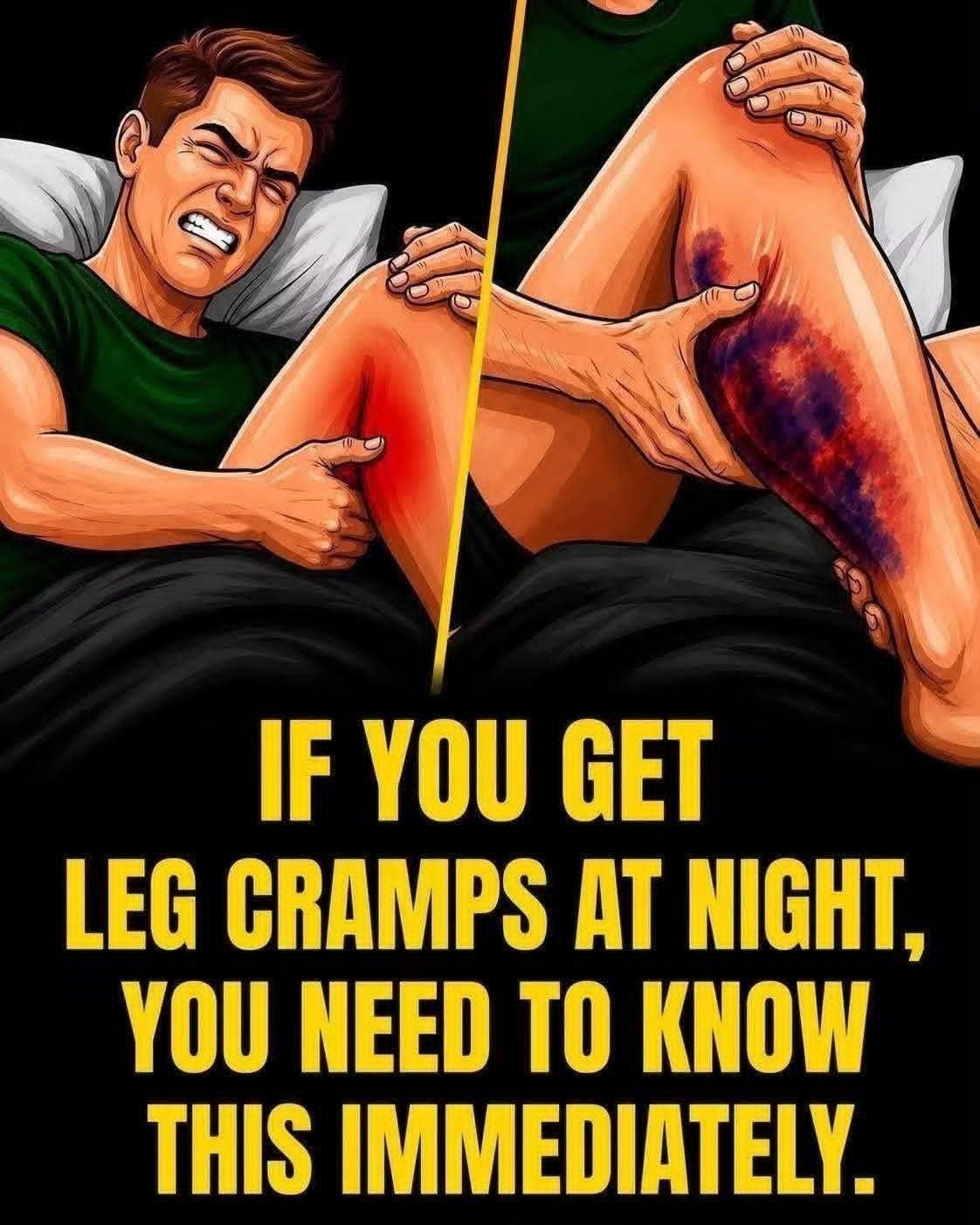
– Swelling, redness, or tenderness in your legs.
– Cramps accompanied by other concerning symptoms, such as weakness or numbness.
Your doctor may evaluate your overall health and could recommend tests to identify any underlying conditions.
### Conclusion
Experiencing leg cramps at night can significantly affect your well-being and quality of sleep. By understanding the causes and employing immediate remedies and preventive measures, you can better manage this condition. Prioritize your hydration, maintain a balanced diet, and consider simple stretching exercises before bed. Remember, if cramps become a persistent issue, seeking professional medical assistance can provide further insight and effective treatment options. Sleep well, and take proactive steps to keep those nighttime leg cramps at bay!