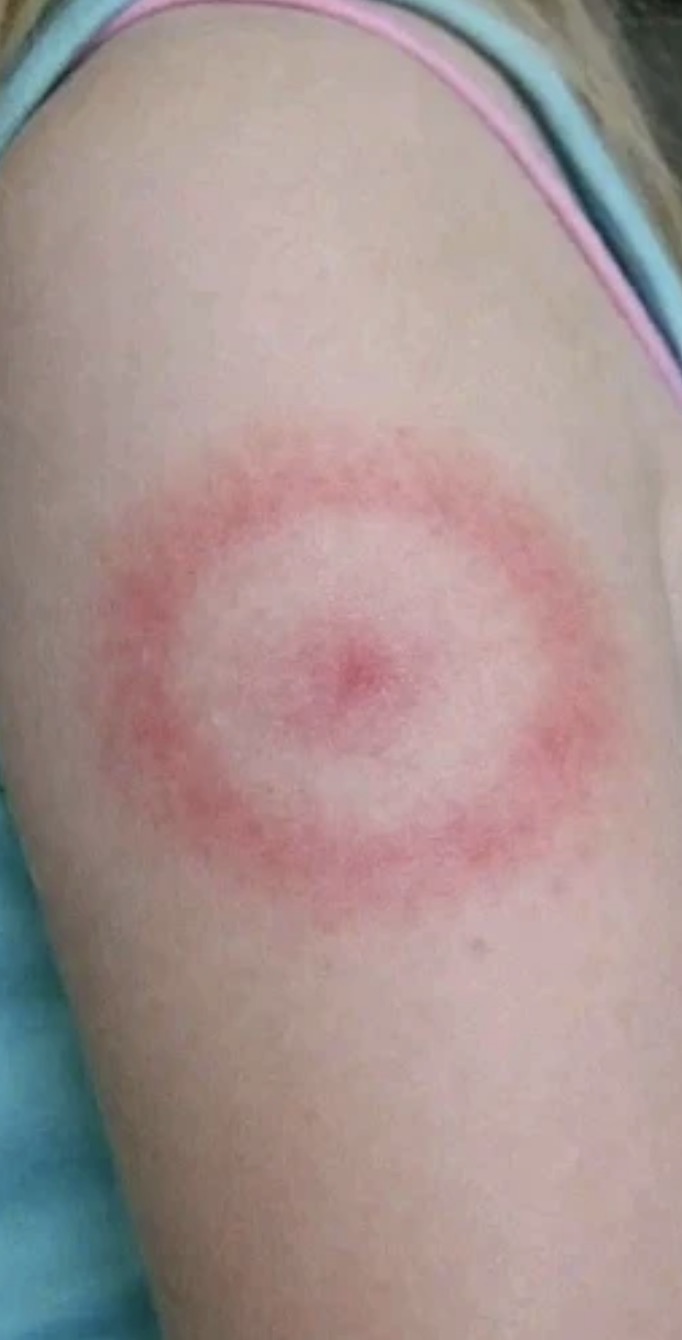
A Red Ring on Your Child’s Skin? Here’s What Parents Should KnowAs a parent, noticing anything unusual on your child’s skin can immediately trigger concern. Seeing a red ring or circular rash on your child’s arm may send your mind racing toward worst-case scenarios and leave you wondering whether you should head straight to the emergency room.Fortunately, most ring-shaped rashes in children are not emergencies. While some conditions deserve prompt medical attention, many have simple explanations and respond well to treatment.Understanding the possible causes can help you stay calm and make informed decisions about your child’s health.1. First, Take a Breath: How Worried Should You Be?It’s completely normal to feel anxious when something unexpected appears on your child’s skin. However, most red ring rashes can safely be evaluated by your pediatrician during normal office hours.The first step is careful observation.Pay attention to:Whether the rash is growing largerChanges in color or appearanceWhether it becomes painful or itchyDevelopment of fever or fatigueThe appearance of additional spots elsewhere on the bodyTaking photos of the rash each day can help track changes and provide valuable information for your healthcare provider.2. What Does a Lyme Disease Bullseye Rash Look Like?One of the best-known ring-shaped rashes is the Lyme disease rash, known medically as erythema migrans.It usually begins as a small red area at the site of a tick bite and gradually expands over several days. As it grows, the center may appear lighter, creating the classic “bullseye” or target-like appearance.Characteristics often include:Gradual expansion over daysDiameter larger than 5 cm (2 inches)Usually not painful or very itchyPossible warmth to the touchHowever, not every child with Lyme disease develops a bullseye rash, and not every bullseye rash means Lyme disease.Recent exposure to wooded areas, tall grass, camping trips, or known tick bites can increase suspicion.3. Other Common Causes of Ring-Shaped Rashes in ChildrenRingwormDespite its name, ringworm is not caused by a worm.This common fungal infection often appears as a red, scaly circle with raised edges and may cause itching. It is easily treated with antifungal medication.Pityriasis RoseaThis harmless skin condition often starts with a larger patch known as a “herald patch,” followed by smaller spots on the body.Most cases resolve on their own within several weeks.Insect Bites and Allergic ReactionsSome insect bites can create circular areas of redness that resemble a ring.These reactions are usually temporary and improve with time.Contact DermatitisSoaps, plants, detergents, or new clothing materials can irritate sensitive skin and create unusual rashes.4. Warning Signs That Require Emergency CareAlthough most rashes are not dangerous, some symptoms require immediate medical attention.Seek emergency care if your child develops:Difficulty breathingSwelling of the lips, tongue, or faceHigh feverSevere painRapidly spreading rashConfusion or unusual behaviorSevere headache or neck stiffnessThese symptoms may indicate a more serious condition that requires urgent evaluation.5. When to Call the PediatricianContact your child’s doctor if:The rash continues to expand.It persists for several days without improvement.Your child develops fever or body aches.The rash becomes painful or swollen.Your child recently spent time in tick-prone areas.When calling, try to provide details about:When the rash first appearedIts approximate sizeWhether it is itchy or painfulAny recent outdoor activitiesPossible exposure to insects or allergens6. What Doctors Look For During an ExaminationDuring the appointment, the doctor will evaluate:The size and shape of the rashIts location on the bodyAny associated symptomsRecent activities and travel historyPossible tick exposureThe appearance of the rash often provides important clues about its cause.7. Are Blood Tests Needed Right Away?Not always.If Lyme disease is suspected based on symptoms and rash appearance, doctors may begin treatment without waiting for blood tests.This is because antibodies can take several weeks to become detectable in laboratory testing.Early clinical diagnosis is often more useful than immediate testing.8. Why Early Treatment MattersIf Lyme disease is diagnosed, treatment with antibiotics is highly effective, especially when started early.Common treatments include:AmoxicillinDoxycycline (for certain age groups)CefuroximeEarly treatment significantly reduces the risk of complications involving the joints, heart, or nervous system.9. What You Can Safely Do at HomeWhile waiting for medical advice:Keep the area clean and dry.Avoid scratching.Do not apply medicated creams unless advised by a doctor.Monitor your child’s temperature and energy levels.Continue documenting changes with photographs.If your child develops discomfort or fever, medications such as acetaminophen or ibuprofen may help when used according to age-appropriate dosing instructions.10. Preventing Tick Bites in the FuturePrevention remains the best protection against Lyme disease.Helpful strategies include:Wearing long sleeves and pants outdoors.Using insect repellents recommended for children.Performing tick checks after outdoor activities.Paying special attention to the scalp, behind the ears, underarms, and behind the knees.Removing ticks promptly can significantly reduce the risk of infection.11. Trust Your Instincts as a ParentThe internet can be helpful, but it can also increase anxiety.Parents know their children better than anyone else.If something feels unusual, if your child seems unwell, or if your instincts tell you that something isn’t right, contacting your pediatrician is always a reasonable decision.Most ring-shaped rashes turn out to be harmless or easily treatable. Staying observant, gathering information, and seeking medical advice when needed is often the best approach.DisclaimerThis article is intended for informational purposes only and should not replace professional medical advice, diagnosis, or treatment. Always consult a qualified healthcare professional regarding concerns about your child’s health.A Red Ring on Your Child’s Skin? Here’s What Parents Should KnowAs a parent, noticing anything unusual on your child’s skin can immediately trigger concern. Seeing a red ring or circular rash on your child’s arm may send your mind racing toward worst-case scenarios and leave you wondering whether you should head straight to the emergency room.Fortunately, most ring-shaped rashes in children are not emergencies. While some conditions deserve prompt medical attention, many have simple explanations and respond well to treatment.Understanding the possible causes can help you stay calm and make informed decisions about your child’s health.1. First, Take a Breath: How Worried Should You Be?It’s completely normal to feel anxious when something unexpected appears on your child’s skin. However, most red ring rashes can safely be evaluated by your pediatrician during normal office hours.The first step is careful observation.Pay attention to:Whether the rash is growing largerChanges in color or appearanceWhether it becomes painful or itchyDevelopment of fever or fatigueThe appearance of additional spots elsewhere on the bodyTaking photos of the rash each day can help track changes and provide valuable information for your healthcare provider.2. What Does a Lyme Disease Bullseye Rash Look Like?One of the best-known ring-shaped rashes is the Lyme disease rash, known medically as erythema migrans.It usually begins as a small red area at the site of a tick bite and gradually expands over several days. As it grows, the center may appear lighter, creating the classic “bullseye” or target-like appearance.Characteristics often include:Gradual expansion over daysDiameter larger than 5 cm (2 inches)Usually not painful or very itchyPossible warmth to the touchHowever, not every child with Lyme disease develops a bullseye rash, and not every bullseye rash means Lyme disease.Recent exposure to wooded areas, tall grass, camping trips, or known tick bites can increase suspicion.3. Other Common Causes of Ring-Shaped Rashes in ChildrenRingwormDespite its name, ringworm is not caused by a worm.This common fungal infection often appears as a red, scaly circle with raised edges and may cause itching. It is easily treated with antifungal medication.Pityriasis RoseaThis harmless skin condition often starts with a larger patch known as a “herald patch,” followed by smaller spots on the body.Most cases resolve on their own within several weeks.Insect Bites and Allergic ReactionsSome insect bites can create circular areas of redness that resemble a ring.These reactions are usually temporary and improve with time.Contact DermatitisSoaps, plants, detergents, or new clothing materials can irritate sensitive skin and create unusual rashes.4. Warning Signs That Require Emergency CareAlthough most rashes are not dangerous, some symptoms require immediate medical attention.Seek emergency care if your child develops:Difficulty breathingSwelling of the lips, tongue, or faceHigh feverSevere painRapidly spreading rashConfusion or unusual behaviorSevere headache or neck stiffnessThese symptoms may indicate a more serious condition that requires urgent evaluation.5. When to Call the PediatricianContact your child’s doctor if:The rash continues to expand.It persists for several days without improvement.Your child develops fever or body aches.The rash becomes painful or swollen.Your child recently spent time in tick-prone areas.When calling, try to provide details about:When the rash first appearedIts approximate sizeWhether it is itchy or painfulAny recent outdoor activitiesPossible exposure to insects or allergens6. What Doctors Look For During an ExaminationDuring the appointment, the doctor will evaluate:The size and shape of the rashIts location on the bodyAny associated symptomsRecent activities and travel historyPossible tick exposureThe appearance of the rash often provides important clues about its cause.7. Are Blood Tests Needed Right Away?Not always.If Lyme disease is suspected based on symptoms and rash appearance, doctors may begin treatment without waiting for blood tests.This is because antibodies can take several weeks to become detectable in laboratory testing.Early clinical diagnosis is often more useful than immediate testing.8. Why Early Treatment MattersIf Lyme disease is diagnosed, treatment with antibiotics is highly effective, especially when started early.Common treatments include:AmoxicillinDoxycycline (for certain age groups)CefuroximeEarly treatment significantly reduces the risk of complications involving the joints, heart, or nervous system.9. What You Can Safely Do at HomeWhile waiting for medical advice:Keep the area clean and dry.Avoid scratching.Do not apply medicated creams unless advised by a doctor.Monitor your child’s temperature and energy levels.Continue documenting changes with photographs.If your child develops discomfort or fever, medications such as acetaminophen or ibuprofen may help when used according to age-appropriate dosing instructions.10. Preventing Tick Bites in the FuturePrevention remains the best protection against Lyme disease.Helpful strategies include:Wearing long sleeves and pants outdoors.Using insect repellents recommended for children.Performing tick checks after outdoor activities.Paying special attention to the scalp, behind the ears, underarms, and behind the knees.Removing ticks promptly can significantly reduce the risk of infection.11. Trust Your Instincts as a ParentThe internet can be helpful, but it can also increase anxiety.Parents know their children better than anyone else.If something feels unusual, if your child seems unwell, or if your instincts tell you that something isn’t right, contacting your pediatrician is always a reasonable decision.Most ring-shaped rashes turn out to be harmless or easily treatable. Staying observant, gathering information, and seeking medical advice when needed is often the best approach.DisclaimerThis article is intended for informational purposes only and should not replace professional medical advice, diagnosis, or treatment. Always consult a qualified healthcare professional regarding concerns about your child’s health.A Red Ring on Your Child’s Skin? Here’s What Parents Should KnowAs a parent, noticing anything unusual on your child’s skin can immediately trigger concern. Seeing a red ring or circular rash on your child’s arm may send your mind racing toward worst-case scenarios and leave you wondering whether you should head straight to the emergency room.Fortunately, most ring-shaped rashes in children are not emergencies. While some conditions deserve prompt medical attention, many have simple explanations and respond well to treatment.Understanding the possible causes can help you stay calm and make informed decisions about your child’s health.1. First, Take a Breath: How Worried Should You Be?It’s completely normal to feel anxious when something unexpected appears on your child’s skin. However, most red ring rashes can safely be evaluated by your pediatrician during normal office hours.The first step is careful observation.Pay attention to:Whether the rash is growing largerChanges in color or appearanceWhether it becomes painful or itchyDevelopment of fever or fatigueThe appearance of additional spots elsewhere on the bodyTaking photos of the rash each day can help track changes and provide valuable information for your healthcare provider.2. What Does a Lyme Disease Bullseye Rash Look Like?One of the best-known ring-shaped rashes is the Lyme disease rash, known medically as erythema migrans.It usually begins as a small red area at the site of a tick bite and gradually expands over several days. As it grows, the center may appear lighter, creating the classic “bullseye” or target-like appearance.Characteristics often include:Gradual expansion over daysDiameter larger than 5 cm (2 inches)Usually not painful or very itchyPossible warmth to the touchHowever, not every child with Lyme disease develops a bullseye rash, and not every bullseye rash means Lyme disease.Recent exposure to wooded areas, tall grass, camping trips, or known tick bites can increase suspicion.3. Other Common Causes of Ring-Shaped Rashes in ChildrenRingwormDespite its name, ringworm is not caused by a worm.This common fungal infection often appears as a red, scaly circle with raised edges and may cause itching. It is easily treated with antifungal medication.Pityriasis RoseaThis harmless skin condition often starts with a larger patch known as a “herald patch,” followed by smaller spots on the body.Most cases resolve on their own within several weeks.Insect Bites and Allergic ReactionsSome insect bites can create circular areas of redness that resemble a ring.These reactions are usually temporary and improve with time.Contact DermatitisSoaps, plants, detergents, or new clothing materials can irritate sensitive skin and create unusual rashes.4. Warning Signs That Require Emergency CareAlthough most rashes are not dangerous, some symptoms require immediate medical attention.Seek emergency care if your child develops:Difficulty breathingSwelling of the lips, tongue, or faceHigh feverSevere painRapidly spreading rashConfusion or unusual behaviorSevere headache or neck stiffnessThese symptoms may indicate a more serious condition that requires urgent evaluation.5. When to Call the PediatricianContact your child’s doctor if:The rash continues to expand.It persists for several days without improvement.Your child develops fever or body aches.The rash becomes painful or swollen.Your child recently spent time in tick-prone areas.When calling, try to provide details about:When the rash first appearedIts approximate sizeWhether it is itchy or painfulAny recent outdoor activitiesPossible exposure to insects or allergens6. What Doctors Look For During an ExaminationDuring the appointment, the doctor will evaluate:The size and shape of the rashIts location on the bodyAny associated symptomsRecent activities and travel historyPossible tick exposureThe appearance of the rash often provides important clues about its cause.7. Are Blood Tests Needed Right Away?Not always.If Lyme disease is suspected based on symptoms and rash appearance, doctors may begin treatment without waiting for blood tests.This is because antibodies can take several weeks to become detectable in laboratory testing.Early clinical diagnosis is often more useful than immediate testing.8. Why Early Treatment MattersIf Lyme disease is diagnosed, treatment with antibiotics is highly effective, especially when started early.Common treatments include:AmoxicillinDoxycycline (for certain age groups)CefuroximeEarly treatment significantly reduces the risk of complications involving the joints, heart, or nervous system.9. What You Can Safely Do at HomeWhile waiting for medical advice:Keep the area clean and dry.Avoid scratching.Do not apply medicated creams unless advised by a doctor.Monitor your child’s temperature and energy levels.Continue documenting changes with photographs.If your child develops discomfort or fever, medications such as acetaminophen or ibuprofen may help when used according to age-appropriate dosing instructions.10. Preventing Tick Bites in the FuturePrevention remains the best protection against Lyme disease.Helpful strategies include:Wearing long sleeves and pants outdoors.Using insect repellents recommended for children.Performing tick checks after outdoor activities.Paying special attention to the scalp, behind the ears, underarms, and behind the knees.Removing ticks promptly can significantly reduce the risk of infection.11. Trust Your Instincts as a ParentThe internet can be helpful, but it can also increase anxiety.Parents know their children better than anyone else.If something feels unusual, if your child seems unwell, or if your instincts tell you that something isn’t right, contacting your pediatrician is always a reasonable decision.Most ring-shaped rashes turn out to be harmless or easily treatable. Staying observant, gathering information, and seeking medical advice when needed is often the best approach.DisclaimerThis article is intended for informational purposes only and should not replace professional medical advice, diagnosis, or treatment. Always consult a qualified healthcare professional regarding concerns about your child’s health.
My daughter woke up with this strange red ring on her arm. It’s not itchy but looks spreading. I’m panicking, do I need to rush her in?